



Wildcat Conversations: Wine Industry Experts on Inclusion, Gen Z Marketing, and Sustainability
In a new episode of Wildcat Conversations, we learn how consumers can play a role in advancing equity, hear about the latest trends, and learn some new varietals you might want to try.
Latest
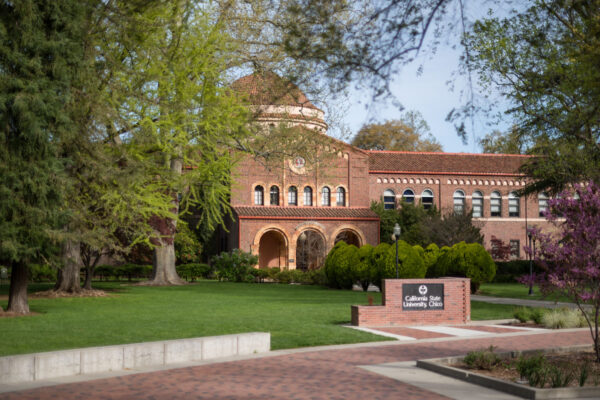
Chico State to Sign Historic MOUs with Seven North State Community Colleges to Support Transfer Student Success
Chico State and seven North State community colleges are set to sign Memoranda of Understanding, facilitating streamlined transfer pathways and guaranteed admission for students pursuing bachelor’s degrees at Chico State, aiming to simplify the transition and support transfer student success within the region.

Professor Emerita Transformed Special Education at Chico State and Beyond
During 25 years at Chico State, Teresa Davis influenced special education at the local and international level, with strong influence on teacher training.
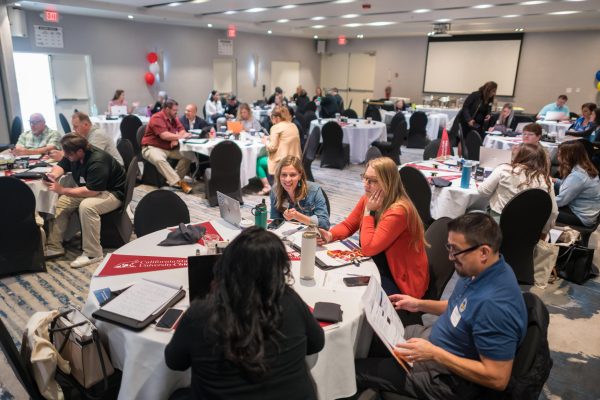
Wildcat Guarantee Kicks Off with Education Partners Across the North State
Agreement guarantees region's students a place at their local CSU—Chico State—if they satisfy system admissions requirements by high school graduation and apply.

Chemistry Professor Emeritus Honored for Scholarly Contributions, Impact on Campus
Jim Postma was a strong advocate for K-12 education, improved guidelines for community college transfers to the CSU, and was a scholar and research chemist.

Librarian Emeritus Honored for Contributions to University’s Cartography Collection, Library
Cartography expert Joe Crotts helped Chico State build one of the most comprehensive map collections in the CSU system.
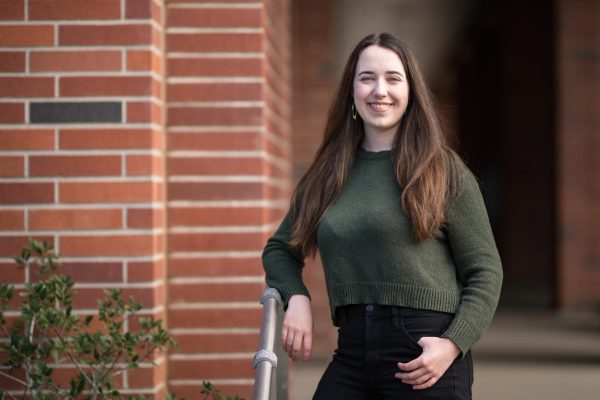
Graduating Seniors Share Their Stories: Undeterred by Rejection, Engineering Major Finds Success
Kirsten Welch's perseverance and hands-on experience landed her the internship of her dreams at Lawrence Livermore National Lab.
Editor's PicksGreat Stories from Across Campus
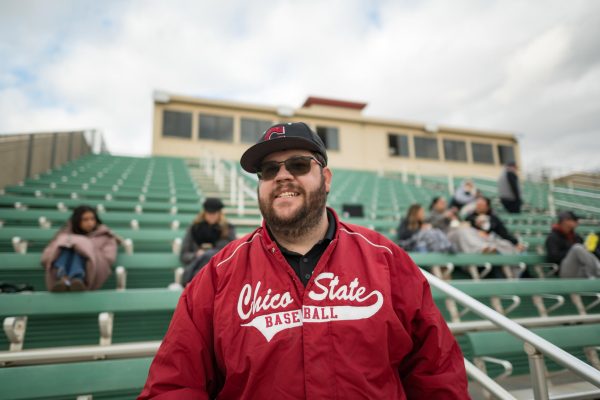
Much More Than A Super Fan
The bond between John Brownell and the Chico State baseball team is one of the great stories in collegiate athletics.

Wildcat Conversations, Episode 1: The Future of Artificial Intelligence
To help us learn more about where AI is going, why it’s moving so fast, and how we can think about it with more optimism than dread, we looked to three alums working at the forefront of this technological evolution.
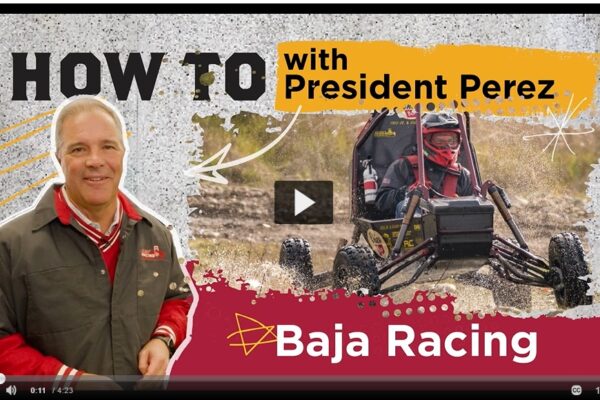
How To With President Perez: Baja Racing
This spring, President Steve Perez is going back to class in a series of how-to videos that explore the projects Chico State clubs and organizations are taking part in outside of the classroom.